
Leave Your Message
*Name Cannot be empty!
* Enter product details such as size, color,materials etc. and other specific requirements to receive an accurate quote. Cannot be empty

China Medical Plastic Injection Mold | Reliable Suppliers & Factory for High-Quality Medical Devices

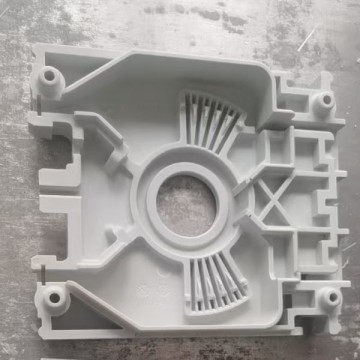
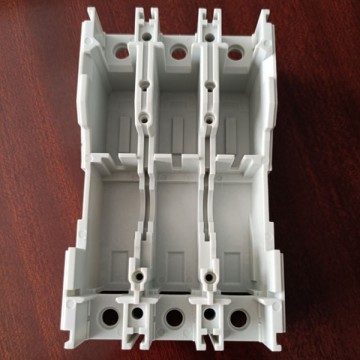
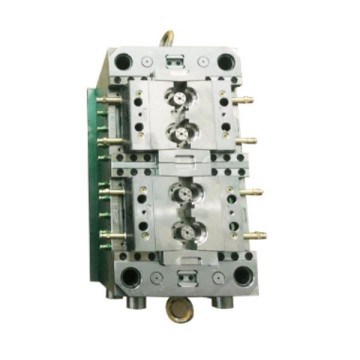
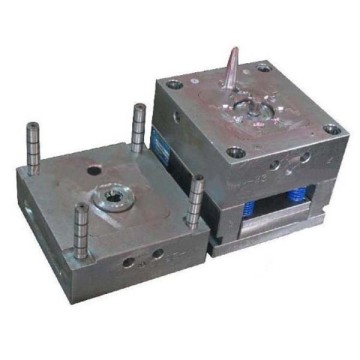
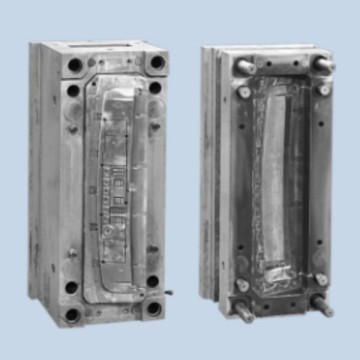
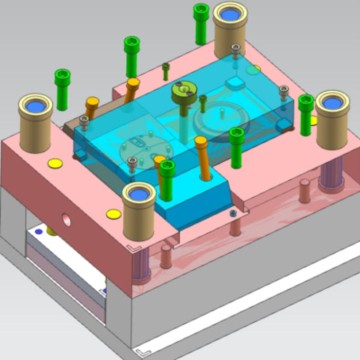
Medical injection molding is a cutting-edge manufacturing technique utilized in China for producing high-quality plastic medical devices and components. This process involves heating plastic resin pellets until they are molten and then injecting this material into molds to create specifically shaped products. By employing this method, suppliers ensure precise control over dimensions and geometries, adhering to stringent quality and regulatory standards necessary for the medical industry, Our factory specializes in manufacturing medical devices that meet FDA approval, guaranteeing durability and reliability. Additionally, medical injection molding is an essential process for developing prototypes that facilitate the FDA clearance process. Conducted in a controlled clean room environment, our production capabilities ensure that the components can be safely sterilized without compromising their integrity, making them suitable for a wide range of medical applications
  • Shaping Mode Plastic Injection Mould
  • Place of Origin Guangdong, China
  • Brand Name YongChao Mould
  • Service OEM ODM Customized
  • Size Customized Size
  • Advantage Rich Experience
  • Package Wooden Case

Insert Injection Molding with Yongchao mold Technologies

In the medical industry, combining metal with plastic components is a common practice known as insert molding. This technique is widely used in various medical applications, from needles and EKG leads to more complex devices.

Yongchao Mold Technologies specializes in medical injection molding, offering cutting-edge solutions for healthcare companies that produce medical devices. As a leading insert molding manufacturer, Yongchao Mold provides comprehensive support to device manufacturers, assisting with new product concepts, clinical trials, and marketing evaluations.

Once new devices are developed, Yongchao Mold helps transition these projects into full-scale production. The company focuses on quality and customer satisfaction, offering both high- and low-volume production capabilities within its injection molding facility.

Yongchao Mold's advanced injection molding equipment and expertise enable the production of complex components. The company supports customers throughout the entire product lifecycle, from design recommendations and plastic injection mold tooling fabrication to prototyping, process validation, and full-scale production.

Yongchao Mold's primary goal is to ensure total customer satisfaction, even for the most challenging projects. Their company culture emphasizes honor, respect, and service, backed by over 20 years of experience in the injection molding field.
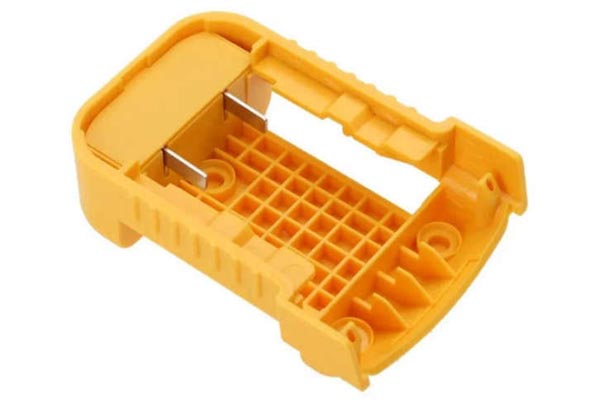
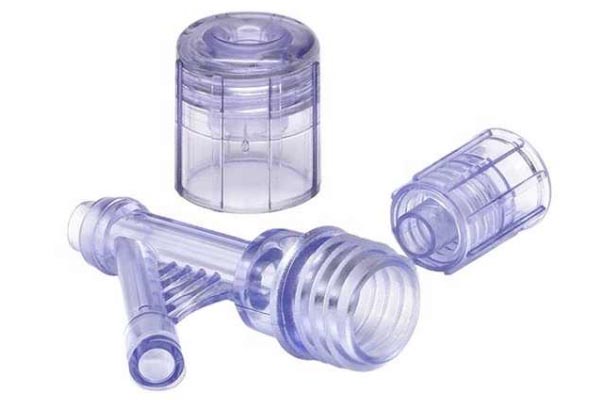
Insert molding for medical equipment component

Medical Grade Plastics for Injection Molding

For designers, it's crucial to recognize that not all polymers are appropriate for medical devices. However, injection molding accommodates a wide range of materials, including both commodity and specialty plastics, as well as polymer blends. Designers can also opt for medical-grade plastics with specific trade names, such as ULTEM®, a polyetherimide (PEI) known for its ability to withstand repeated autoclave cycles. Below are some common plastics used in injection molding and their key characteristics:
PEEK (Polyetheretherketone)
This thermoplastic offers outstanding resistance to chemicals, heat, and radiation.
PE (Polyethylene)
A commodity thermoplastic, polyethylene is widely used in the medical field due to its biocompatibility.
Silicone
A thermosetting polymer, silicone is made from a two-part mixture injected into molds at relatively low pressure compared to standard injection molding. It is biocompatible and highly flexible.
PP (Polypropylene)
This commodity thermoplastic provides excellent resistance to moisture and wear. It is also biocompatible and can be steam-sterilized due to its high-temperature tolerance.
PC (Polycarbonate)
An engineering thermoplastic often used as a glass substitute, polycarbonate is transparent, has high-temperature resistance (allowing for sterilization), and is extremely durable.
PFA (Perfluoroalkoxy)
This fluoropolymer exhibits very high thermal resistance, excellent creep resistance at elevated temperatures, and broad chemical resistance.
FEP (Fluorinated Ethylene Propylene)
This fluoropolymer features low friction, good impact resistance, and excellent chemical resistance. It is also flexible, transparent, and biocompatible.
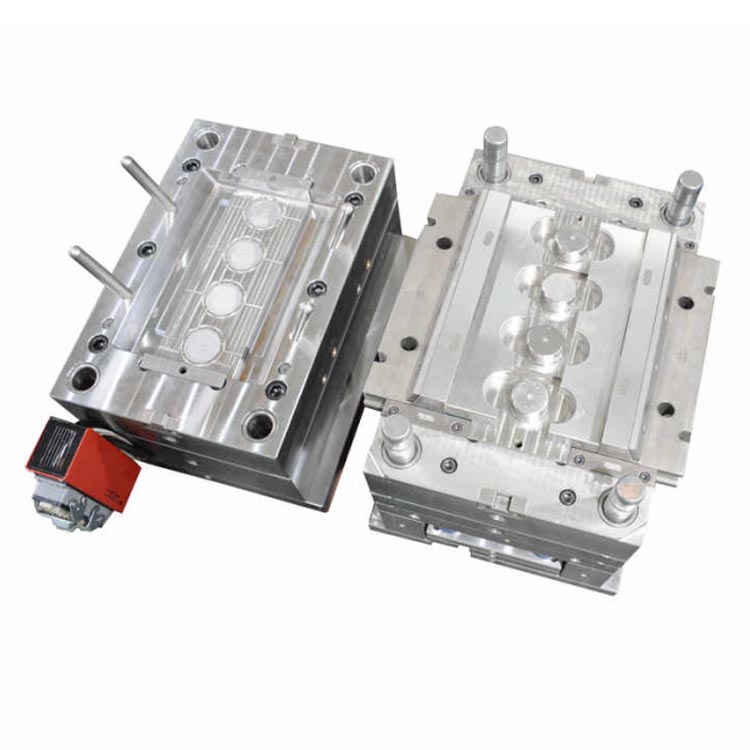
plastic injection mold for medical part
Frequently Asked Questions (FAQ)
What is medical insert injection molding?
Medical insert injection molding is a manufacturing process where metal elements or other components are placed into a mold cavity before plastic is injected. This integrates the parts into a single, robust component, commonly used for medical needles, EKG leads, and complex surgical instruments.
Which medical-grade plastics are best for sterilization?
Materials like PEEK, Polycarbonate (PC), Polypropylene (PP), and specialty trade polymers such as ULTEM® (PEI) are highly recommended because they can withstand repeated autoclave cycles, steam sterilization, and high temperatures without degrading.
Does Yongchao Mold assist with early-stage product design?
Yes. Yongchao Mold Technologies supports device manufacturers throughout the entire product lifecycle. They provide layout recommendations, mold tooling fabrication, prototyping, clinical trials assistance, and process validation prior to mass manufacturing.
Can Yongchao Mold handle low-volume production runs?
Yes, their advanced injection molding facility is equipped to handle both high-volume mass production and low-volume specialty runs to meet varying customer demands and marketing evaluations.
Why is biocompatibility crucial for medical grade plastics?
Biocompatibility ensures that the plastic material does not cause harmful physiological reactions when it comes into contact with human tissue or fluids. Materials like PE, Silicone, and FEP are widely selected for their excellent biocompatibility profiles.