



 Phone
 Send Email
 Whatsapp


0102030405
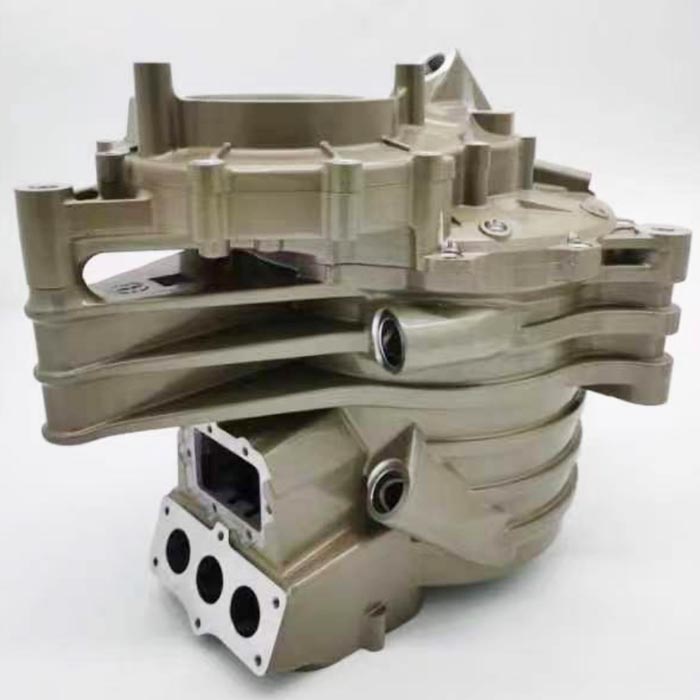
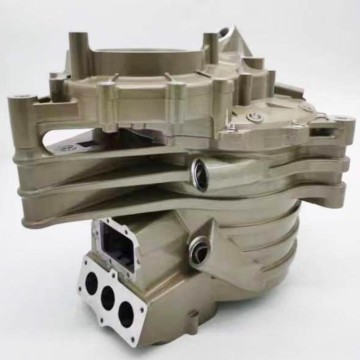
China Aluminum Die Casting Mold Suppliers | High-Quality Factory for Durable Metal Parts
Unique Properties of Aluminum
Aluminum is renowned for its exceptional combination of properties that set it apart from other metals:
Lightweight
Aluminum has a density of only 2.7 g/cm³, which is about one-third that of steel. This makes it the perfect material for applications where weight reduction is crucial, such as in the automotive and aerospace industries.
High Strength-to-Weight Ratio
Despite its low density, aluminum alloys can achieve remarkable strength. For example, certain aluminum alloys like A380 and ADC12 can provide strength comparable to some steels while significantly reducing weight.
Excellent Corrosion Resistance
Aluminum naturally forms a protective oxide layer when exposed to air, which prevents further oxidation and corrosion. This inherent property makes it ideal for applications in harsh environments, such as marine and outdoor settings.
Good Thermal and Electrical Conductivity
Aluminum is an excellent conductor of heat and electricity, making it a preferred material for applications in electronics and electrical components.
Recyclability
Aluminum is 100% recyclable without any loss of its properties. This makes it an environmentally friendly choice, as recycled aluminum can be reused indefinitely.
Cost-Effective
Zinc is relatively inexpensive compared to other metals like aluminum and magnesium. The cost savings extend beyond the material itself, as zinc alloy die casting molds require minimal labor and finishing costs. This makes zinc alloy die casting an economically attractive option for manufacturing.
Features and Benefits of Aluminum Die Casting Molds
● Precision and Quality: Aluminum die casting molds can produce parts with extremely tight tolerances and smooth surfaces, reducing the need for secondary machining. The high precision ensures consistent quality across large production volumes.
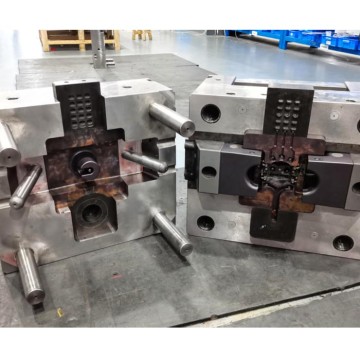
● Durability: Our molds are made from high-quality steel, capable of withstanding up to 100,000 cycles or more. This ensures long-term reliability and cost-effectiveness.
● Lightweight and Strong Parts: The unique properties of aluminum allow us to create parts that are both robust and lightweight. This is particularly beneficial in industries where weight reduction is critical, such as automotive and aerospace.
● Corrosion Resistance: Aluminum's natural resistance to corrosion extends the lifespan of the products, making them suitable for use in harsh environments.
● Customization: We offer custom die casting molds tailored to specific requirements, including the use of specialized aluminum alloys to meet unique performance needs.
Applications
Leveraging the unique properties of aluminum, our die casting molds are widely used in various industries:
● Automotive
Automotive: For engine blocks, housings, and structural components, where lightweight and high-strength materials are essential.
● Aerospace
Aerospace: Aluminum's high strength-to-weight ratio and corrosion resistance make it ideal for aircraft components.
● Electronics
Electronics: Aluminum's excellent thermal conductivity and ability to be cast into thin, complex shapes make it perfect for electronic housings and heat sinks.
● Marine
Marine: The corrosion-resistant nature of aluminum ensures long-lasting performance in marine environments.
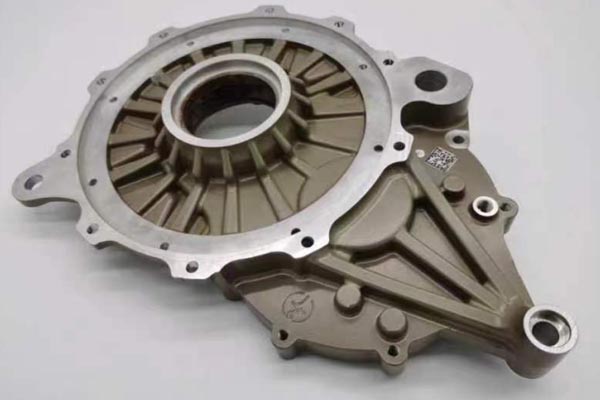
Manufacturing Process
Our aluminum die casting process is designed to maximize the benefits of aluminum:
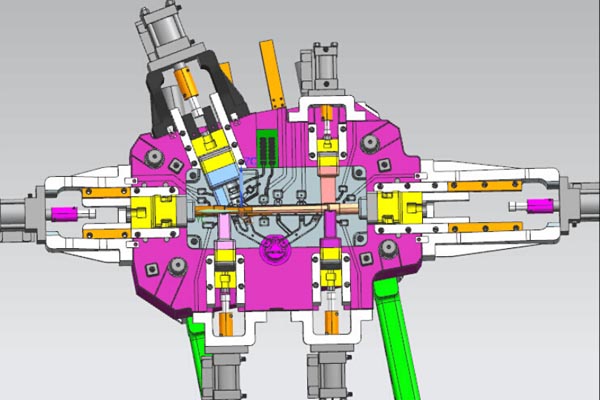
● Mold Design
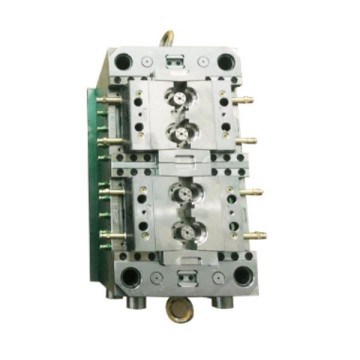
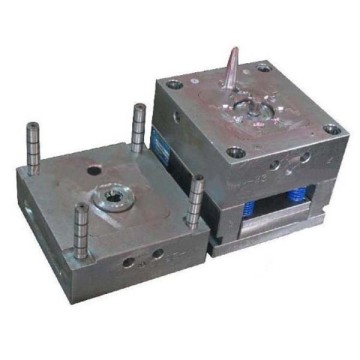
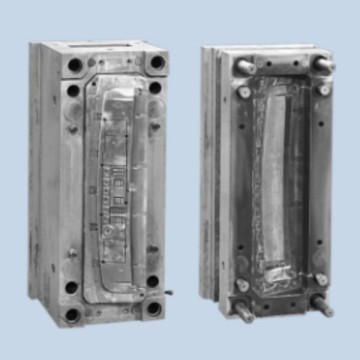
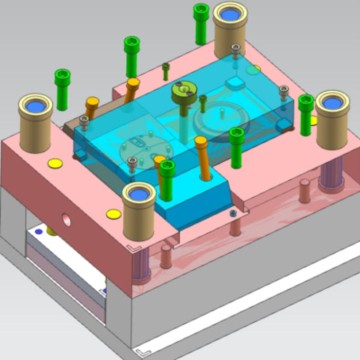
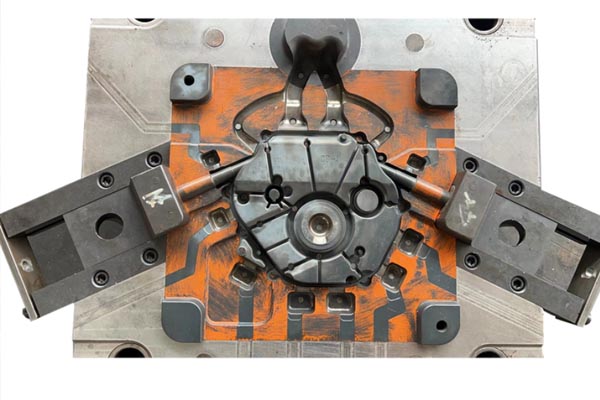
Precision-engineered steel molds are created to match the exact specifications of the part.
● Melting and Alloy Selection
High-quality aluminum alloys such as A380, A383, A360, ADC12, and AlSi9Cu3 are melted at around 660°C (1220°F) and kept at a constant temperature.
● Injection
The molten aluminum is injected into the mold under high pressure, ensuring uniform filling and minimizing defects.
● Cooling and Solidification
The part cools and solidifies inside the mold, taking advantage of aluminum's rapid solidification rate to maintain dimensional accuracy.
● Ejection
The finished part is carefully removed from the mold using ejector pins.
● Finishing
Excess material is trimmed, and the part may undergo additional surface treatments like sandblasting, polishing, or coating to enhance its appearance and performance.
Why Choose Us?
● Expertise
With years of experience in aluminum die casting, we specialize in leveraging the unique properties of aluminum to deliver superior products.
● Quality Control
Our rigorous quality control processes ensure that every mold and part meets the highest standards.
● Custom Solutions
We provide customized molds and parts to fit your unique requirements, ensuring that you benefit from the full potential of aluminum's exceptional properties.
Frequently Asked Questions
Q What aluminum alloys are commonly used in die casting molds?
We commonly utilize high-grade aluminum alloys such as A380, A383, A360, ADC12, and AlSi9Cu3 depending on the mechanical and thermal requirements of the final part.
Q How durable are your aluminum die casting molds?
Our molds are precision-engineered from high-grade steel, designed to withstand up to 100,000 production cycles or more, ensuring long-term reliability and cost efficiency.
Q Why is aluminum favored for automotive and aerospace components?
With a density of roughly 2.7 g/cm³ (about one-third of steel) and exceptional strength-to-weight ratio and corrosion resistance, aluminum provides critical lightweighting without sacrificing structural integrity.
Q At what temperature is aluminum processed during die casting?
High-quality aluminum alloys are melted at approximately 660°C (1220°F) and maintained at a constant temperature before high-pressure injection into the mold cavity.
Q What surface finishing options are available for cast parts?
After trimming excess material, components can undergo various secondary surface treatments, including sandblasting, precision polishing, and protective coatings to enhance visual quality and performance.
Q Is aluminum die casting an environmentally sustainable process?
Yes. Aluminum is 100% recyclable without losing its inherent mechanical properties, making it an eco-friendly material choice for sustainable manufacturing.