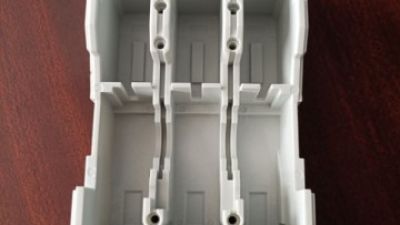
You know, as more and more people are demanding top-notch products worldwide, the importance of Injection Molds is really coming into focus. By 2026, buyers are gonna be on the lookout for suppliers they can trust to deliver both quality and innovation. And honestly, China is definitely standing out here, with companies like Huaqiang Mould and Sudhakar Engineering pushing the envelope when it comes to mold tech.
The world of Injection Molds is changing super fast, and businesses really need to keep up—whether it's with new materials or fresh techniques. Those who jump on the latest tech usually end up leading the pack. But, here’s the catch—advancing technology also brings some headaches. Not all manufacturers can keep their quality consistent, especially when you're dealing with suppliers from China, so you really gotta be careful.
Sure, a lot of companies show off impressive capabilities, but a few fall short pretty quickly. That’s why it’s so important to do your homework when choosing your partners. Checking reviews, reputation in the industry—these things matter a lot. When you're selecting Injection Molds that will directly affect your product quality, there’s zero room for mistakes. So, taking the time to research and make informed decisions is absolutely key if you want to succeed in this really competitive game.
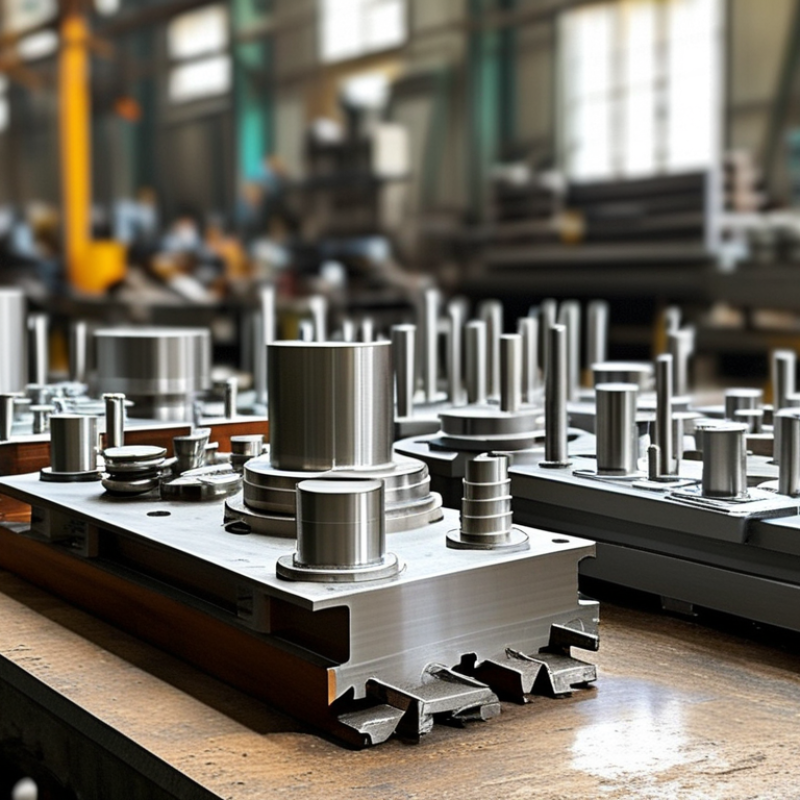
China's Position in the Global Injection Mold Market by 2026
China's position in the global injection mold market by 2026 is expected to be significant. The country is a leading player, known for its efficient production capabilities. Many companies benefit from China's cost-effective manufacturing processes. These advantages attract global buyers seeking quality and affordability.
As the market evolves, challenges may arise. Competition from emerging markets could intensify. Additionally, innovations in technology will push manufacturers to adapt quickly. China's ability to keep pace with these changes will be crucial. Quality control and sustainability practices need continuous improvement. Enhancing these areas will help maintain China's competitive edge.
Buyers will look for reliable partnerships amid these developments. They seek suppliers who understand global standards and can deliver consistent results. Establishing trustworthy relationships will be vital. Transparency and accountability in operations will be more important than ever. Emphasizing these factors can lead to long-lasting collaborations in the injection mold sector.
Key Factors Driving the Growth of China's Injection Mold Industry
China's injection mold industry is experiencing significant growth due to several key factors. The increasing demand for lightweight and efficient manufacturing is leading to advancements in Plastic Injection Molds. Manufacturers are optimizing their processes, enhancing production capabilities, and adopting new technologies. This trend caters to various sectors, such as automotive and consumer electronics, where precision and quality are vital.
Another factor is the rise of automation in production lines. Automated systems reduce human error and increase efficiency. Many companies are investing heavily in robotic technology, making the production of Plastic Injection Molds faster and more cost-effective. With this transition, there is an ongoing need for skilled labor to manage these systems.
Tip: When considering Plastic Injection Molds for your projects, always evaluate the manufacturer’s expertise. Research their production techniques and quality control measures.
Additionally, globalization plays a crucial role. As international interest in China's molds grows, companies must maintain high standards. Trade policies are evolving, and successful firms are adaptable to these changes. This adaptability can affect how buyers perceive quality and reliability in products.
Tip: Stay informed about trade regulations that may impact the injection mold market. Understanding these factors can help in making more informed purchasing decisions.
Emerging Technologies Transforming China's Injection Mold Manufacturing
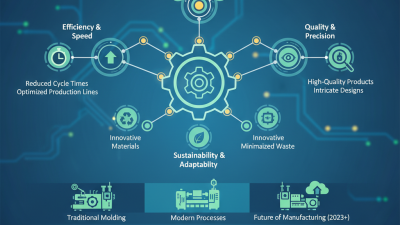
Emerging technologies are rapidly transforming China’s Injection Mold Manufacturing landscape. Innovations in materials, automation, and process optimization are making it more efficient. High-speed machining and advanced simulation software allow for quicker design iterations. This results in improved accuracy and reduced lead times for intricate molds.
Molds For Plastic Injection benefit greatly from the integration of smart manufacturing technologies. For instance, real-time data analytics can track production processes. It enhances quality control and minimizes defects in final products. The shift toward Industry 4.0 means more connectivity and flexibility in operations. Factories can adapt more easily to varying production demands.
Achieving the best molds requires a keen understanding of the manufacturing process. Manufacturers often overlook the importance of choosing the right materials for specific applications. Investing early in prototype development can save costs later on. Overall, staying updated on emerging trends is crucial for success in the competitive landscape.
China Best Injection Molds for Global Buyers in 2026
This chart illustrates the projected market share percentage of various emerging technologies in China’s injection mold manufacturing by 2026. These technologies include 3D Printing, Automation, Smart Manufacturing, and Advanced Materials, all of which are expected to substantially influence the industry landscape.
Market Demand: Industries Influencing Injection Mold Trends in China
The injection mold industry in China is driven by diverse market demands. As various sectors evolve, manufacturers must adapt their strategies. Automotive, consumer electronics, and medical devices stand out as significant influencers. Each sector requires unique molds to meet precise specifications. The need for efficiency and quality drives these trends.
Sustainability is becoming essential in mold design. Manufacturers are focusing on energy-efficient processes and eco-friendly materials. This shift is necessary to meet global standards and customer expectations. Innovation is important, but it often faces challenges. Balancing cost and quality remains a tough task.
Tips for buyers: Research suppliers with experience in your industry. Quality certifications can help identify reliable manufacturers. Establish clear communication to avoid misunderstandings. Building strong relationships fosters better negotiation outcomes. Keep an eye on emerging technologies that may influence future mold designs.
Understanding these factors can enhance purchasing decisions. The right choice supports growth and efficiency. However, relying solely on trends can lead to missed opportunities. Reflect on past experiences to inform future strategies. Adaptability will be key to thriving in the dynamic landscape of injection molding.
Comparative Analysis: China vs. Key Global Players in Injection Molding
In the global market, China has emerged as a key player in the injection molding industry. In 2026, it is projected that China will maintain a significant share due to its cost-effective production and advanced technology. Research indicates that China's injection molding market is expected to grow at a CAGR of over 5% from 2022 to 2026. This growth is propelled by increasing demand across various sectors such as automotive, consumer goods, and medical devices.
When comparing China to global competitors, several factors come into play. The average cost of injection molding in China is approximately 30% lower than that in North America and Europe. However, quality control remains a challenge, with reports indicating that 13% of manufactured parts may not meet required specifications. This underscores the need for constant improvement in quality assurance practices. Furthermore, while Chinese manufacturers lead in volume, innovation in design and specialized materials is often stronger in regions like Europe and North America, leading to a disparity in technological advancement.
These comparisons highlight the complexities of the injection molding landscape. Foreign buyers often face dilemmas regarding cost versus quality. While China offers affordability, the risk of inconsistent quality can impact long-term partnerships. Addressing these challenges requires not just adherence to cutting-edge technologies but also a commitment to maintaining rigorous standards in the production of Injection Molding Molds.
Sustainability Practices in China's Injection Mold Production by 2026
Sustainability in the injection mold industry is gaining traction in China. By 2026, manufacturers are expected to focus significantly on eco-friendly practices. This shift comes as global buyers increasingly prioritize sustainable sourcing. Companies are adopting greener materials and processes to reduce their environmental impact.
Innovative technologies are emerging in this sector. Some firms are exploring biodegradable plastics and energy-efficient machinery. These changes can potentially lower carbon footprints. However, there are still challenges to address. Not every manufacturer fully embraces these practices. Some lack the resources or knowledge to make substantial changes.
The journey toward sustainability is an ongoing process for many. Innovations are promising, but the industry needs more commitment. Educating stakeholders about sustainable practices is crucial. Collaboration among manufacturers is essential for spreading innovative approaches. The road ahead requires collective effort and reflection on current practices.
Future Challenges Facing China's Injection Mold Sector in Global Markets
China's injection mold sector faces various challenges as it aims for global competitiveness in 2026. Manufacturing quality must meet heightened international standards. Many companies still struggle with precision. This affects customer trust and repeat business. Quality assurance processes need re-evaluation to ensure molds perform optimally.
Environmental regulations are intensifying. Many factories must adapt to eco-friendly practices. Failure to comply can lead to significant penalties and reputational damage. In addition, sourcing sustainable materials adds costs, which can impact pricing strategies. Manufacturers must be agile in adopting technologies that align with these requirements.
Moreover, the shift toward smart manufacturing poses an opportunity and a threat. Employers often lack skilled labor in technology-driven environments. AI and automation play crucial roles, but human oversight is still essential. There’s also a need for continuous training and development. Companies should invest in nurturing an informed workforce to tackle these challenges effectively. The focus on using advanced techniques, like Aluminum Molds For Injection Molding, can yield superior results if executed properly.
Innovative Solutions in BMC Injection Molding: A Deep Dive into Yongchao Mold's Expertise and Offerings
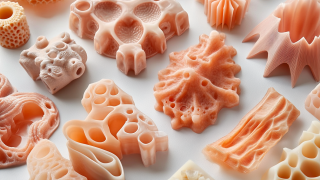
In the realm of manufacturing, BMC (Bulk Molding Compound) injection molding has emerged as a formidable solution, particularly in producing complex structures that traditional methods struggle to accommodate. This innovative approach greatly enhances efficiency and reduces production costs, making it an attractive option for industries requiring high-quality components in shorter lead times. By leveraging advanced materials and techniques, manufacturers can achieve intricate designs that cater to diverse applications, ensuring they stay competitive in a rapidly evolving market.
One of the most striking advantages of BMC injection molding is its speed. Unlike compression molding, which can involve longer cycle times and more labor-intensive processes, BMC enables manufacturers to produce large quantities of parts quickly and with remarkable precision. This efficiency not only accelerates time-to-market but also allows for greater flexibility in production, enabling firms to respond swiftly to changing demands or to innovate rapidly without incurring significant delays. Overall, the benefits of BMC injection molding position it as a key player in modern manufacturing strategies, paving the way for innovative solutions that meet the complex demands of today's industries.
FAQS
: China is a key player in injection molding globally. The market is expected to grow over 5% by 2026.
The cost in China is about 30% lower than that in North America and Europe.
Reports indicate that around 13% of parts may not meet specifications, highlighting quality assurance issues.
Regions like Europe and North America often excel in design innovation and specialized materials.
The industry is shifting toward eco-friendly practices, focusing on greener materials and energy-efficient machinery.
No, some manufacturers lack resources or knowledge to implement substantial changes for sustainability.
Collaboration is essential for sharing innovative approaches and improving overall sustainability practices.
Buyers must balance cost and quality, as inconsistent quality can affect long-term partnerships.
Innovative technologies can reduce carbon footprints, but commitment and education among stakeholders are needed.
The disparity in technological advancement and ongoing quality control issues points to areas requiring reflection and change.
Conclusion
The article titled "China Best Injection Molds for Global Buyers in 2026?" explores China's strategic position in the injection mold market and anticipates significant growth driven by various key factors. By 2026, advancements in emerging technologies are expected to further enhance China's manufacturing capabilities, making it a pivotal player in global injection molds production. Additionally, the article delves into market demand across industries that significantly influence injection mold trends in China, highlighting the nation's adaptability to evolving customer needs.
Moreover, a comparative analysis is presented, outlining how China stands against major global players in the injection molding sector. The emphasis on sustainability practices indicates a shift towards environmentally friendly production methods in China's injection mold industry. However, the article also acknowledges future challenges that may impact China's competitiveness in global markets, emphasizing the need for innovation and strategic responses to maintain its leading position in the injection molds landscape.





 Phone
 Send Email
 Whatsapp