In today’s fast-changing world of manufacturing, really getting a handle on the ins and outs of Molds For Plastic injection is pretty much essential if you're looking to stay ahead. I mean, as John Smith from Precision Molds Co. puts it, "The right molds can make a big difference when it comes to boosting both efficiency and quality in production." That just goes to show how crucial it is to pick molds that are perfectly suited to your specific needs.
Plastic Injection Molds are actually pretty game-changing across a bunch of industries. Whether it’s automotive or consumer products, having the right mold means better precision, less waste, and ultimately happier customers. But here’s the thing— not all molds are made equal. Companies often run into issues with whether the molds fit their machines or hold up over time. Honestly, investing in top-notch molds can pay off big time, leading to better products and smoother operations.
It’s funny— a lot of folks kinda overlook how important it is to choose the right mold. They might focus too much on saving a few bucks upfront, without thinking about how that’ll affect the whole process down the line. In reality, spending a little more on quality molds often results in much better long-term gains. So, doing your homework and thinking carefully about what kind of molds you need is super important to making sure everything lines up with your goals and standards.
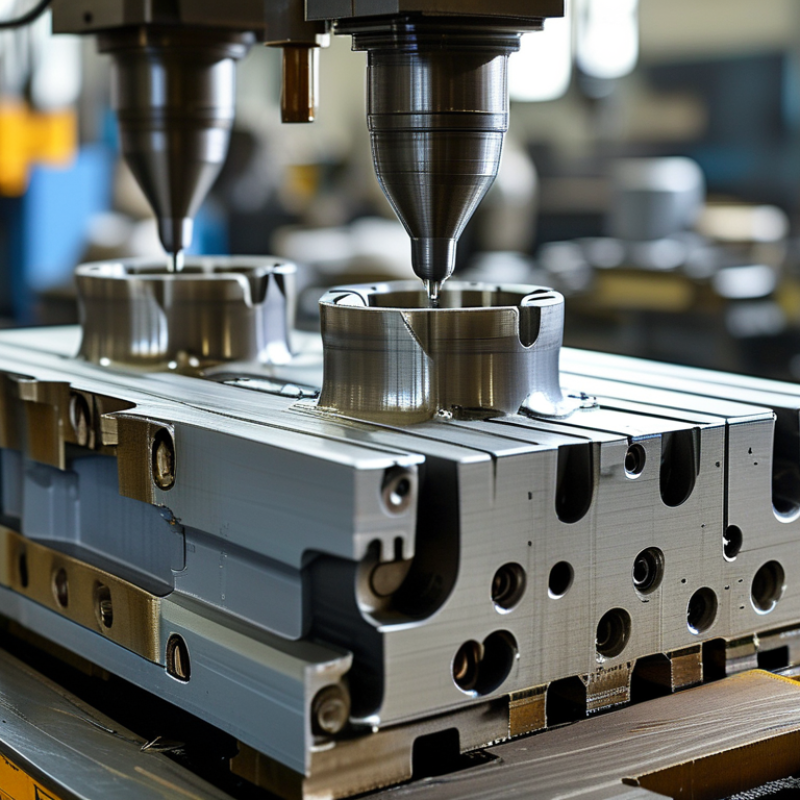
Understanding Plastic Injection Molding: A Comprehensive Overview
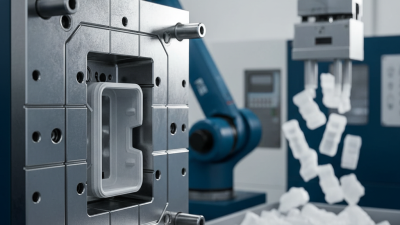
Plastic injection molding is a crucial manufacturing process. This technique allows for the production of complex plastic parts with high precision and speed. The process begins with melting plastic pellets. The molten plastic is then injected into a mold cavity, where it cools and solidifies into the desired shape. This method is efficient and can produce large volumes of parts quickly. However, the initial setup costs can be high due to mold design and production.
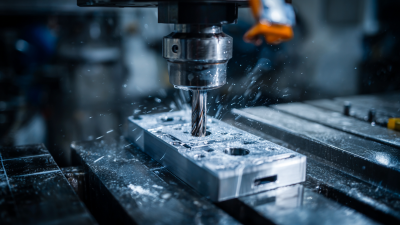
Understanding the types of molds used is essential for quality output. Molds can be single or multi-cavity, affecting production rates. The material used for the mold also matters. Steel and aluminum are common choices, each offering different benefits and drawbacks. Steel molds are durable but expensive, while aluminum molds are cheaper but less long-lasting. Additionally, mold maintenance is critical to prevent defects in the final product. Regular reviews and adjustments may be needed to meet design specifications.
One should also consider potential issues. Mold wear can lead to defects and inconsistent production. This requires thoughtful planning and investment in maintenance. Changes in material properties can affect the final part's quality. These factors highlight the complexity of plastic injection molding. Continuous learning and adaptation are key to mastering this process. Understanding these aspects deepens the appreciation for the intricate world of plastic manufacturing.
2026 Best Molds For Plastic Injection Purchasing Guide
| Mold Type | Material | Production Volume | Lead Time (Weeks) | Cost (USD) |
| Injection Mold | Steel | 10,000 - 100,000 | 8 | 20,000 |
| Thermoforming Mold | Aluminum | 5,000 - 50,000 | 6 | 15,000 |
| Compression Mold | Copper | 1,000 - 20,000 | 10 | 10,000 |
| Blow Mold | Stainless Steel | 3,000 - 30,000 | 7 | 18,000 |
| Insert Mold | Nylon | 2,000 - 25,000 | 9 | 12,000 |
Key Factors to Consider When Choosing Injection Molds
When choosing injection molds, several key factors come into play. The material of the mold is crucial. Different materials offer various benefits in terms of durability and heat resistance. Steel molds tend to last longer but may require a higher initial investment. Aluminum molds, on the other hand, are lighter and cheaper but less durable. Understanding the intended production volume is vital. If high volumes are expected, invest in a robust option.
Precision is another important element. Molds must be designed to create parts that meet exact specifications. Any deviation can lead to issues during assembly or functionality of the final product. Evaluating the complexity of the part design is essential as well. More complex designs require more intricate molds, which can increase production time and cost. Collaboration with experienced engineers can provide insights that improve design efficiency.
Lastly, consider the lead time and accessibility of the mold maker. Shorter lead times help maintain project timelines, but rushing may compromise quality. It’s wise to reassess the trade-offs between speed and quality. Reflecting on your goals and constraints can aid in making a well-informed decision without overlooking critical details. Ultimately, balancing these factors can lead to a successful injection molding process.
Types of Injection Molds: Pros and Cons Explained
When selecting Molds For Plastic Injection, understanding their types is crucial. Each type offers distinct pros and cons that impact your project. For example, steel molds are durable and suitable for high-volume production. However, their initial cost can be high. Conversely, aluminum molds are cheaper and easier to modify, but they wear down faster with extensive use.
It's essential to evaluate your project's requirements before diving in. If your production scale is low, aluminum molds could be a smart choice. They allow flexibility in design changes without significant expenses. On the other hand, for high-volume runs where perfection matters, investing in steel molds might pay off.
Tips to consider: Always ask about mold maintenance practices before purchase. Regular upkeep can significantly enhance the lifespan of your molds for plastic injection. Furthermore, observe the cooling system. A well-designed cooling system can shorten cycle time and improve the quality of your product. Assessing these factors can guide you in making a more informed decision.
Material Selection for Injection Molds: What You Need to Know
When selecting materials for injection molds, understanding the properties is crucial. The material choice affects mold durability, production speed, and part quality. A recent industry report highlights that around 70% of professionals prioritize material longevity in their selection process. Common options like steel and aluminum have their advantages. Steel offers high durability, while aluminum allows for faster processing times.
The trade-offs can be significant. For instance, aluminum molds can wear down faster, especially with abrasive plastics. This can lead to increased maintenance costs. On the other hand, steel molds are heavier and often require more energy to manufacture, which can affect initial production timelines. Knowing the intended application of the mold can inform better material choices.
Furthermore, trends indicate a rise in the use of advanced composites and thermoplastics. These materials offer unique benefits, such as improved thermal stability and weight reduction. However, the complexities of processing these substances may not be suitable for all producers. The decision process should include thorough testing and validation to ensure optimal results. Crafting the perfect injection mold requires balancing these factors carefully.
The Importance of Mold Design in Plastic Injection
In plastic injection molding, the design of molds is critical. A well-designed mold ensures precision and consistency in the final products. According to a report from the Society of Plastics Engineers, a 5% improvement in mold design can yield a 10% reduction in production time. This efficiency translates into significant cost savings and faster time to market.
Mold design encompasses various parameters. These include cooling channels, venting, and alignment features. These aspects must work together seamlessly. Poor design can lead to defects, higher scrap rates, and increased downtime. Research indicates that avoiding common pitfalls in mold design can enhance productivity by up to 25%. This highlights the need for thorough planning and execution.
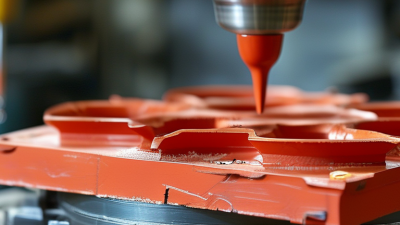
Challenges in mold design may arise. For instance, balancing cost and performance can be tricky. Designers often face constraints related to material selection and manufacturing capabilities. In cases where achieving tolerances is difficult, revisiting the design is crucial. A reflective approach to mold design can ensure the production of high-quality Soft Plastic Injection Molds. This process nurtures continuous improvement in the plastic injection industry.
Cost Considerations for Purchasing Injection Molds
When considering the cost of purchasing injection molds, multiple factors come into play. The materials used for crafting molds significantly affect the overall price. For instance, steel molds tend to be more durable but also more expensive upfront. On the other hand, aluminum molds are less costly but may wear down faster. Evaluating these options requires careful thought about production volume and the intended lifespan of the molds.
Another critical aspect is the complexity of the mold design. Simple molds can be more affordable, while intricate designs that require advanced features will increase costs. Additionally, the machining time and labor involved in creating molds can vary greatly. Each of these factors contributes to the final price, so it's vital to estimate production needs accurately. Many buyers overlook the long-term maintenance costs associated with Soft Plastic Molds, which can accumulate and impact overall expenditure.
Lastly, don't forget to factor in the supplier's reputation and reliability. A low initial cost may lead to subpar quality and future issues. Ensure the supplier has a strong history of producing dependable molds. This research might take time, but it aids in making a well-informed decision that balances short-term savings with long-term efficiency.
Maintenance Tips for Prolonging the Life of Your Injection Molds
Maintaining Plastic Molds is crucial for ensuring their longevity and efficiency. Regular cleaning is essential. Use a soft brush to remove debris from intricate areas. This prevents buildup that could impact the mold's performance. It’s common to overlook this step, but a clean mold works better.
Temperature control is another key factor. Ensure the molds do not exceed their recommended operating temperatures. Excess heat can warp the molds, leading to defects in production. It's easy to underestimate this aspect in a busy environment, but monitoring temperatures can save time and costs.
Proper storage of plastic molds is equally important. When not in use, molds should be stored in a dry, temperature-controlled area. Moisture can lead to rust or corrosion. It’s a mistake to leave them exposed to the elements. Regularly inspect stored molds for any signs of wear or damage. Keeping detailed records of maintenance activities can also help track performance over time.
FAQS
: It is a manufacturing process for creating plastic parts quickly and precisely through melting pellets and injecting them into molds.
The material affects durability and heat resistance. Steel molds last longer but are costlier, while aluminum molds are cheaper but less durable.
Mold wear can cause defects and inconsistent production. Changes in material properties can also affect quality.
Regular maintenance and reviews of molds are crucial to prevent defects and meet design specifications effectively.
Consider the intended production volume, complexity of design, mold material, and the reputation of the mold maker.
Molds must be designed accurately to create parts meeting exact specifications for proper assembly and functionality.
A well-designed cooling system can shorten the cycle time and improve the final product's quality during production.
Choose aluminum molds for low production scales. They are flexible and allow for design changes without high costs.
Shorter lead times can rush projects but may hurt the overall quality. Balancing both aspects is essential.
Reflecting on goals and constraints can help in making well-informed decisions regarding mold selection and production strategy.
Conclusion
The article titled "2026 Best Molds For Plastic Injection Purchasing Guide" provides a comprehensive overview of plastic injection molding, a crucial process in manufacturing. It begins by explaining the fundamentals of plastic injection molding, highlighting key factors to consider when selecting molds for plastic injection, such as material compatibility, mold design, and cost.
Furthermore, the article categorizes different types of injection molds, detailing their pros and cons, and emphasizes the importance of selecting the right materials to enhance mold performance. It also offers essential maintenance tips to prolong the lifespan of your molds. Overall, this guide is an invaluable resource for anyone looking to make informed decisions about purchasing molds for plastic injection, ensuring efficiency and effectiveness in production processes.





 Phone
 Send Email
 Whatsapp